
CasePERFORMANCE-SITE-OR-ACHIEVEMENT-MOMENT
Featured products
Contact Us
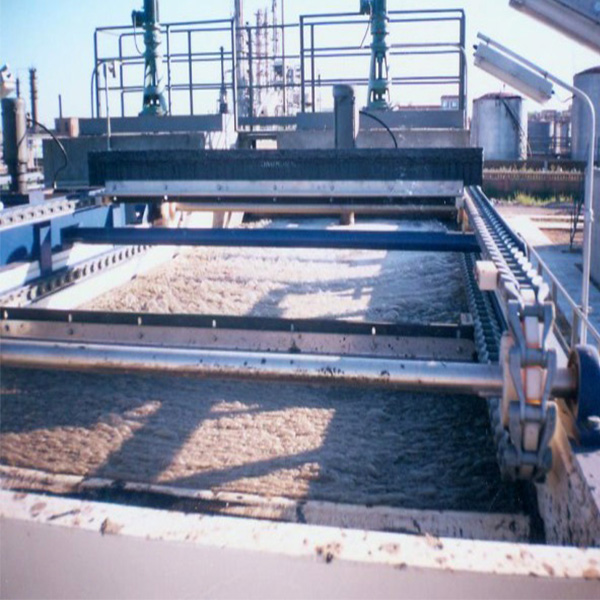
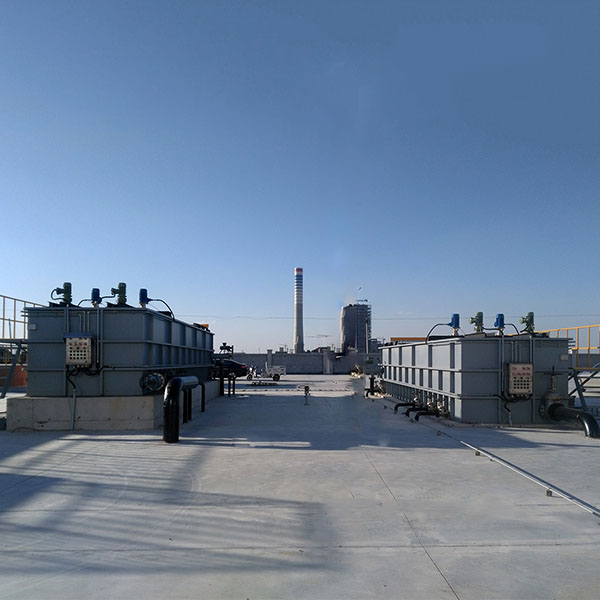
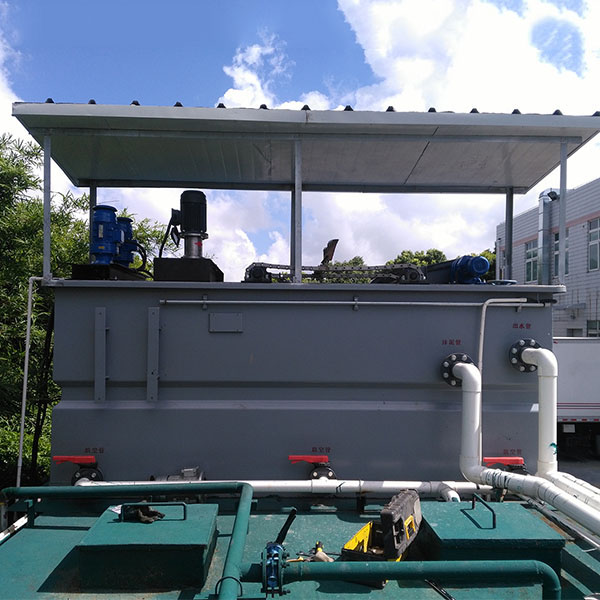
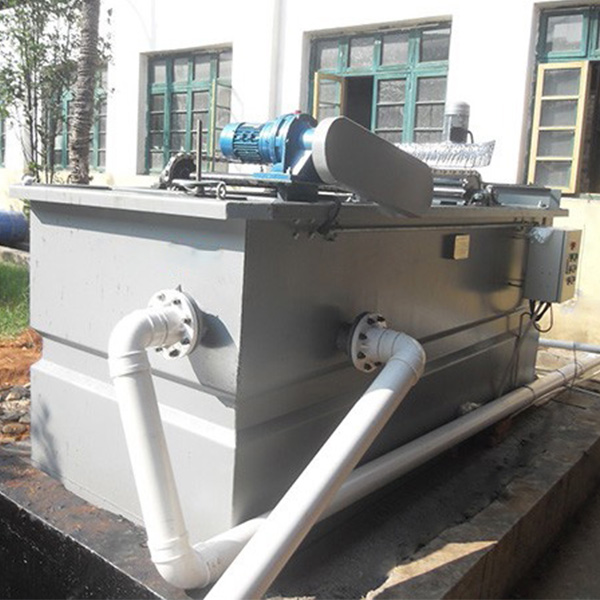
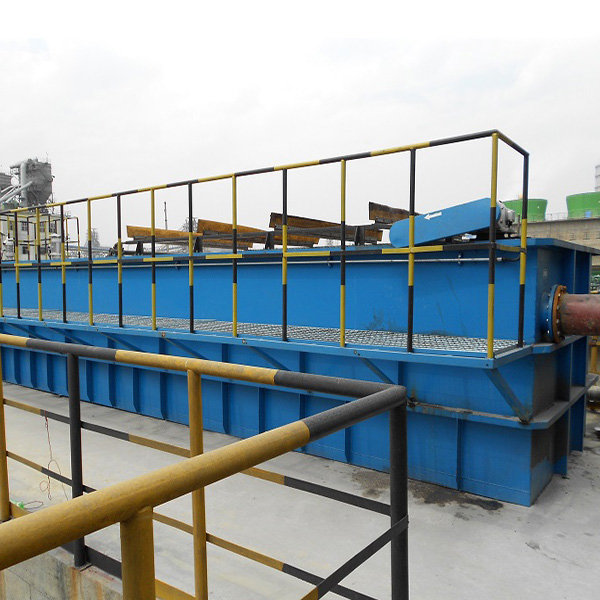
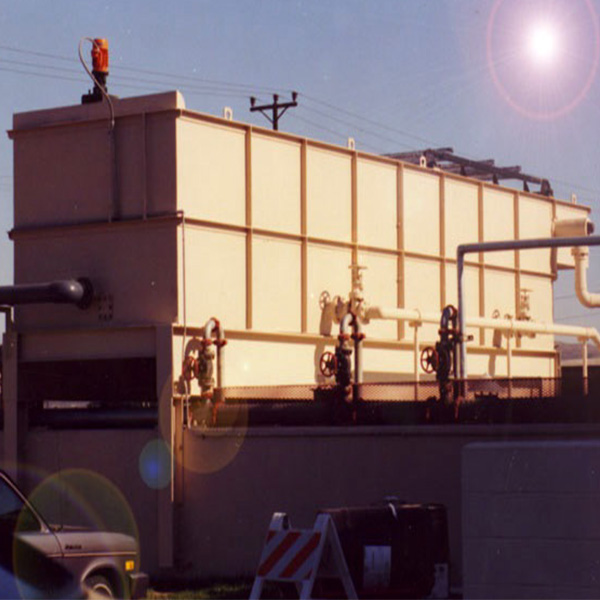
- LOREN
- 1-500 M3 per hour
- 30-100 micron
- o reflux pump, air compressor or pressure vessel · Free of blocking phenomena · Simple, compact, maintenance-free · Engineered for oily wastewater.
"Cavitation Air Flotation (CAF) | Induced Gas Flotation for Oily Wastewater". Meta description: "CAF is a patented solid-liquid separation technology that removes oil, grease, jelly and SS with 30-100 micron micro bubbles. No reflux pump, no air compressor, no pressure vessel. 16 models from 1 to 500 m3/h for petrochemical, oil field, meatpacking, dairy and pulp & paper wastewater." Target keywords: cavitation air flotation, CAF, induced gas flotation, oily wastewater treatment, micro bubble flotation, solid-liquid separation, DAF alternative.
Loren Vortex Concave Air Floating Unit (CAF) For Industrial or Oily Grease and Other Suspend Solid Waste Water Treatment
1. Loren Oil and TSS Reduced Induced Gas Flotation (IGF) Brief
LCAF is specifically designed system for removal of greases, jelly and suspended solids (SS) in industrial or municipal wastewater.
By using an aerator, CAF’s special designed impeller can distribute the micro bubbles into the sewage evenly without any complicated air dissolving process. Then this will not have any blocking phenomena.
In short: the aerator replaces the whole dissolved-air circuit. One rotating assembly does the work that a reflux pump, an air compressor and a pressure vessel would otherwise do together.
Quick facts Technology: cavitation air flotation
-Target pollutants: oil and grease, jelly, suspended solids.
-Bubble size: 30-100 micrometres.
-Bubble generation: impeller aerator, in-tank suction.
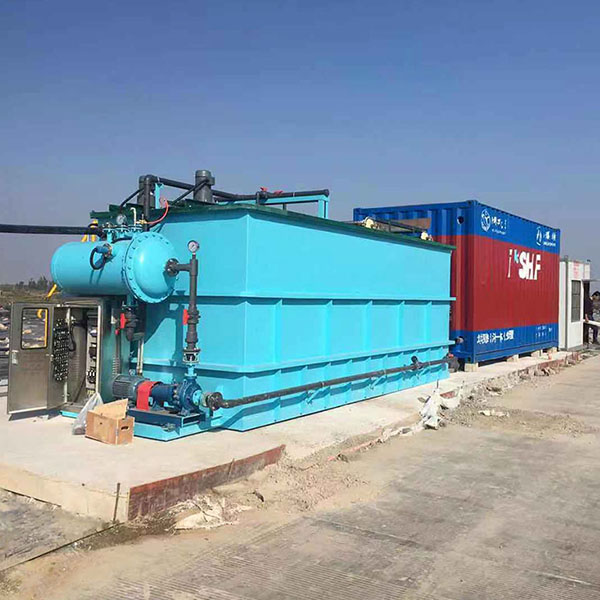
-System makeup: aerator, flotation tank, skimmer, electric cabinet.
-Capacity range: 1-500 m3/h.
-Installed power: 0.55-16.10 kW.
-Not required: reflux pump, air compressor, pressure vessel.
2. HS Code: 8421219090
3. Applicant Range
This kind of Vortex concave floating major Suitable for:
-Treatment of oily wastewater in the petrochemical processing industry.
-Treatment of oily wastewater and re-injection water from petroleum extraction.
-Treatment of slaughterhouse wastewater in the meat processing industry.
-Treatment of oily/greasy wastewater in the dairy processing industry.
-Treatment of “white water” in the pulp and paper manufacturing industry.
-Treatment of oily wastewater in the machining/mechanical processing industry.
-Treatment of wastewater from fish and seafood processing.
-Treatment of wastewater containing emulsions and cutting fluids.
-Oil-water separation systems for heavy or light marine fuels.
-Treatment of domestic sewage and oily wastewater from food service/kitchen operations.
-Treatment of oil-contaminated river water.
-Steel Factory Waste Water pretreatment site
4.Craftart
In drainage treatment process, Flotation separating technology is the most effective method for removing micro suspended solids whose specific density is near than that of water.
LCAF is a good new sewage separating and purifying equipment especially for separating grease,Jelly,and suspended solid in the in the industrial and city water by way of proportionately transforming the micro-bubbles into the water directly through specially-designed bulk gas impeller instead of adopting complex air-dissolved technology with no obstruction, easy operation
5.Feature
-No Circulating Pump, Air Compressor And Pressure Vessel
-Never Jam Or Blocking
-Savings Operating Costs And Floor Space;
-Simple And Compact Structure Without Maintenance
-Especially Applied For Oily Wastewater Treatment.
6. Working principle:
LCAF machine is composed of the aerator, flotation tank, scraping residue machines and electrical control box. The Aerator will generate air bubbles through its highly speed rotating motor by way of absorbing air., this micro bubbles will then be distributed in the sludge water of the tank via stainless steel bulk air impeller.
Process In Six Steps:
–Negative pressure draws the air in. Utilising the centrifugal force caused by the high-speed rotating driven impeller, the aerator produces negative pressure and sucks gas into the aeration port.
–Air is released under water. The sucked-in air is released again by the submerged aeration port, directly into the sludge water being treated — no dissolving tank, no pressurised recycle loop.
–The impeller cuts the bubbles down. When the bores on the perforated impeller produce bubbles, the high-speed rotating impeller cuts them into 30-100 um tiny bubbles, then spreads them evenly through the tank via the stainless steel bulk air impeller.
–Micro bubbles bind the solids. Flocculating sewage mixes up with these micro bubbles after entering the flotation tank. The micro bubbles attach to the suspended solids and float them towards the surface.
–A floating layer forms. The suspended solids rely on the micro bubbles to sustain them on the water surface, forming a floating layer on the surface of the unit.
–The skimmer discharges the scum. The floating layer is removed into the scum tank by means of a skimming device, while the clarified water leaves the flotation tank for downstream treatment.
7.Working Principle Diagram
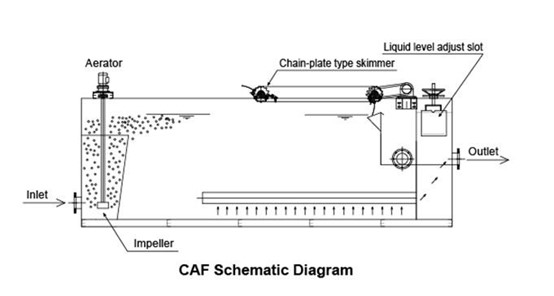
vivid view of IGF working principle
8. Main Technical Parameter
| Model | Flow
(m3/h) |
Long
(m) |
Wide
(m) |
High
(m) |
Aerator
(kw) |
Skimmer
(kw) |
Total power
(kw) |
| LCAF-1 | 1 | 1.4 | 0.55 | 1.1 | 0.37 | 0.18 | 0.55 |
| LCAF-3 | 3 | 2.5 | 0.8 | 1.3 | 1.5 | 0.37 | 1.87 |
| LCAF-5 | 5 | 2.5 | 1.0 | 1.3 | 1.5 | 0.37 | 1.87 |
| LCAF-10 | 10 | 3.0 | 1.2 | 1.3 | 1.5 | 0.37 | 1.87 |
| LCAF-15 | 15 | 4.0 | 1.2 | 1.3 | 2.2 | 0.37 | 2.57 |
| LCAF-20 | 20 | 5 | 1.2 | 1.3 | 2.2 | 0.37 | 2.57 |
| LCAF-30 | 30 | 5 | 1.6 | 1.8 | 2.2 | 0.37 | 2.57 |
| LCAF-40 | 40 | 6 | 1.6 | 1.8 | 2.2 | 0.37 | 2.57 |
| LCAF-50 | 50 | 6 | 1.8 | 1.8 | 4.4 | 0.37 | 4.77 |
| LCAF-75 | 75 | 7 | 2.4 | 1.8 | 4.4 | 0.55 | 4.97 |
| LCAF-100 | 100 | 8 | 2.4 | 1.8 | 4.4 | 0.55 | 4.97 |
| LCAF-150 | 150 | 11.5 | 2.4 | 1.8 | 6 | 0.55 | 6.55 |
| LCAF-200 | 200 | 15 | 2.4 | 1.8 | 9 | 0.55 | 9.55 |
| LCAF-300 | 300 | 15 | 3.1 | 1.8 | 12 | 0.55 | 12.55 |
| LCAF-400 | 400 | 17 | 3.6 | 1.8 | 12 | 0.55 | 12.55 |
| LCAF-500 | 500 | 21 | 4.5 | 1.8 | 15 | 1.10 | 16.10 |
Note: The above data only for reference , please subject to our final confirmation
9.FRQ
Q: What is CAF (cavitation air flotation)?
A: CAF is a patented solid-liquid separation technology used especially for removing oil and grease, jelly and SS (suspended solids). By using an aerator, CAF’s special designed impeller distributes the micro bubbles into the sewage evenly without any complicated air dissolving process, so the system does not have any blocking phenomena.
Q: How does CAF differ from dissolved air flotation (DAF)?
A: DAF dissolves air into recycled water under pressure and releases it through fine release devices, which means a reflux pump, an air compressor and a pressure vessel, plus a real risk of blocking. CAF skips the dissolving step: a high-speed rotating impeller creates negative pressure, sucks air in through the aeration port and cuts the bubbles into 30-100 micron sizes inside the tank. That is why CAF needs none of that auxiliary equipment.
Q: What bubble size does the CAF aerator produce?
A: When the bores on the perforated impeller produce bubbles, the high-speed rotating impeller cuts them into 30-100 um tiny bubbles, distributed through the sludge water tank by a stainless steel bulk air impeller.
Q: Which industries is CAF suitable for?
A: Disposal of oily wastewater in the petrochemical industry; oily wastewater treatment and reinjection water in the oil exploitation industry; disposal of slaughter wastewater in the meatpacking industry; grease and effluent treatment in the dairy industry; and treatment of effluents generated by pulp and paper industries.
Q: What capacities and power ratings are available?
A: The LCAF series runs from LCAF-1 (1 m3/h, 0.55 kW) to LCAF-500 (500 m3/h, 16.10 kW), 16 models in total.
Q: What does a CAF unit consist of?
A: Four main parts: the aerator, the flotation tank, the skimmer and the electric cabinet. Supplementary units typically include the flocculation chamber upstream and the scum tank that receives the skimmed floating layer.
Q: Is CAF really maintenance-free?
A: The design is described as simple, compact and maintenance-free, mainly because there is no air dissolving process and therefore no pressurised release devices or dissolving-head pores that can block — the usual service burden on a conventional flotation plant.
Q: Can CAF handle high suspended-solids sludge water?
A: Yes. Micro bubbles are distributed into the sludge water tank via the stainless steel bulk air impeller, and flocculating sewage mixes up with these micro bubbles after entering the flotation tank, so both floc and suspended solids are lifted to the surface.
10.Why Us
-20-Year Accumulated Experience on Fabrication and Marketing
-On site solution Provided to know how to make it overwhelming Run Function
-Strong Design and Developed Team
-Group Research Power
-Military Factory Quality Products