
ProductPRODUCT
Featured products
Contact Us
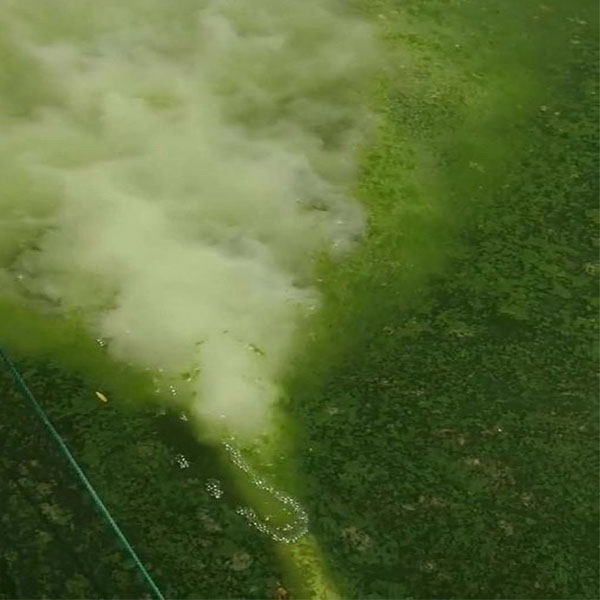
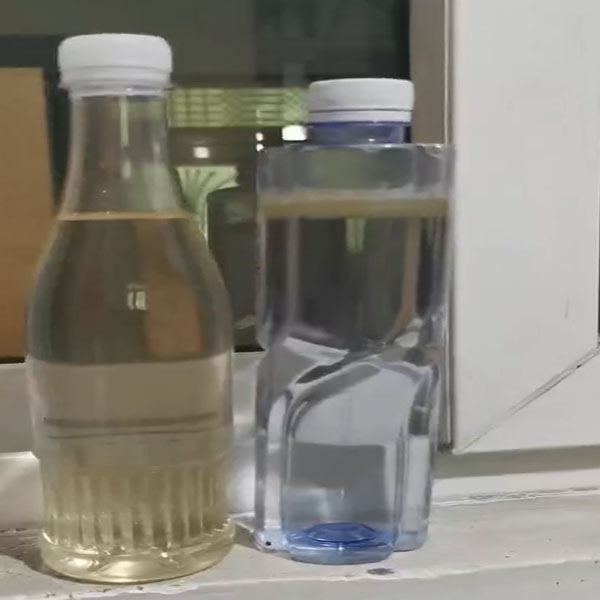
- Loren, Huayu
- Removal Algae, oil , COD, color, odor
- within 20 days
- 50 sets per month
- Yes, for Aquaculture and Agriculture Boosting Harvest
- Activated Human Digestion and Cure Some chronic
Definition of loren Micro-Nano Aeration System or Micro-Nano Bubble Generator
The Micro Nano Bubble Generator (Combined With Ion Exchanger ) Independently Developed By Loren Industry Co. Is a New Generation High Efficiency Environmental Protection & Water Environment Pollution Recover. Technology.
Being Familiar With a Various Characteristics Of Micro Bubbles Such As Its Negative Ions, Slow Moving Speed &The Equivalent Of Ozone Bubbles Can Play a Bactericidal Effect. it Can Replace The Current Domestic Bubble Generation Technology &Some Aeration Equipment,It Can Efficiently Realize Functions Such As Oxygen Boosting &Aeration, Air-Floating Separation, Oil-Water Separation, Oxidative Decolorization, Nitrogen &Phosphorus Removal.
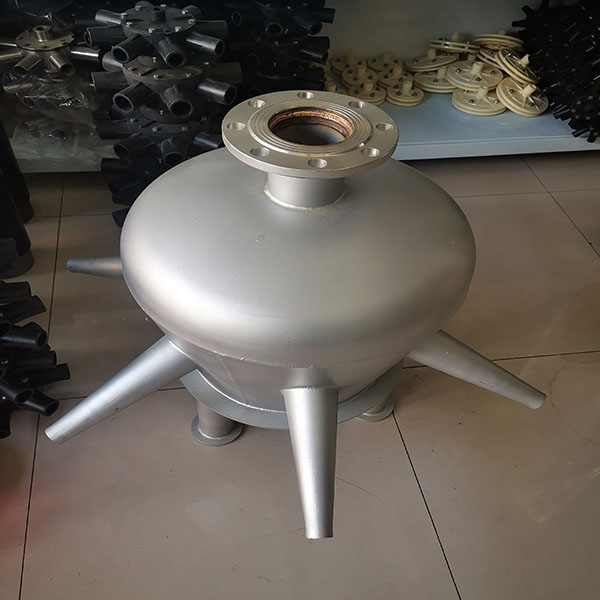
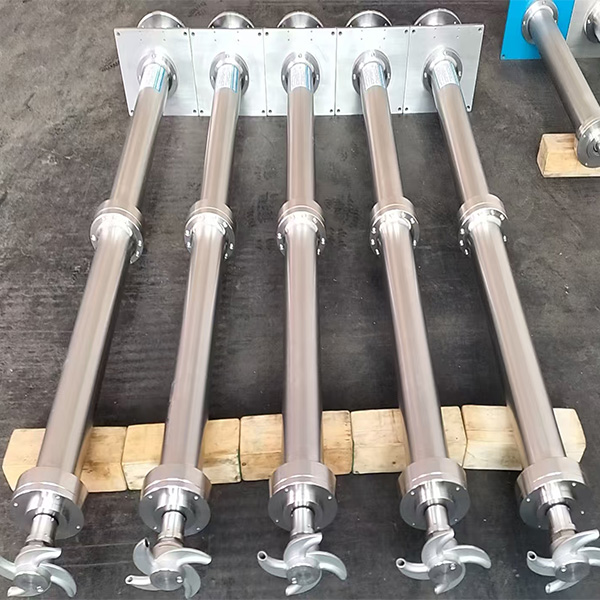
Loren Aeration or Micro nano Generator System Consists Of Micro-Nano Bubble Generator, Diffusion Device, Snorkeling Device, Limit Device &Control Device.
Feature
-Combined with Ion Ex-changer Can Kill Algae & Weeds
-Optical Material : FRP, Steel, Plastic, FRP,Steel Concrete Structure
-Large Volume Micro Nano Bubbles
-High Oxygen Tolerance Rate
-Simple Structure
-High Treatment Efficiency
-Easy Assembly
-Stable Operation
-No Clogging Performance
-Low Operating Cost
-Low Energy Consumption
-Gas Source Optional: Air, Oxygen, Ozone, Nitrogen
-Combined with Ion Exchanger Can Kill Algae & Weeds
-Automatic Local/Remote Intelligent Control
Application
–Aquaculture
-Landscape Engineering
-River Improvement
-Water Reuse
– Sewage Treatment
-Air-Liquid Mixing, Etc., Combined With Different Inlet Air Sources (Such As, Etc.) A
-Minimal equipment
-Teaching Demonstration
-Small Scale Tests
– Pilot Experiment
– Integrated Treatment Unit
-Quick Large-Scale Purification Of Black-Odor River
Main Parameter of The Micro Mano Bubble Generator
| Model | Capacity
(m3/h) |
Power
(Kw) |
Dimension
(mm) |
Comment |
| LNG-0.2 | 0.22 | 0.125 | 300*140*280 | Potable Style 220V |
| LNG-2.0 | 2.0 | 0.30 | 600*300*400 | Float Style or Floor Mounted , Can Optional Choose Aerator or Odor |
| LNG-4.0 | 4.0 | 0.55 | 600*300*600 | |
| LNG-6.0 | 6.0 | 0.75 | 600*500*600 | |
| LNG-10 | 10 | 1.1 | 600*500*800 | |
| LNG-20 | 20 | 2.2 | 980*540*1860 | Float Style or Floor Mounted , Can Optional Choose Aerator or Odor or Chemical Dosing |
| LNG-30 | 30 | 3.0 | 980*540*1860 | |
| LNG-40 | 40 | 5.5 | 1200*600*1400 | |
| LNG-60 | 60 | 5.5 | 1200*600*1500 | |
| LNG-80 | 80 | 7.5 | 1200*600*1650 | |
| LNG-100 | 100 | 11 | 1200*600*1700 | Floor Mounted , Can Optional Choose Aerator or Odor or Chemical Dosing |
| LNG-120 | 120 | 15 | 1800*1000*1800 | |
| LNG-160 | 160 | 18 | 1800*1000*1800 | |
| LNG-200 | 200 | 22 | 1800*1000*1800 |
Main Parameter of The Matching Aerator System
| Model | Capacity (m3/h) | Power (Kw) | Cover Area (m) | Comment |
| LSA-1.2 | 30 | 1.2 | 40 | Surge Aerator |
| LWA-1.2 | 30 | 1.2 | 40 | Water Spray Aerator |
| LWA-2.2 | 60 | 2.2 | 60 | |
| LIA-1.2 | 30 | 1.2 | 40 | Impeller Aerator |
| LOA-0.75 | 25 | 0.75 | 30 | Ordinary SprayFountain |
| LCA-0.75 | 30 | 0.75 | 30 | ColorSprayFountain |
| LOA-2.2 | 60 | 2.2 | 60 | Ordinary SprayFountain |
| LCA-2.2 | 60 | 2.2 | 60 | ColorSprayFountain |
| LMA-3.0 | 70 | 3.0 | 80 | MicroPorous Aeration |
| LMA-5.5 | 80 | 5.5 | 90 | |
| LTA-1.1 | 50 | 1.1 | 100 | Thrust flow Aerator
|
| LTA-1.5 | 80 | 1.5 | 130 | |
| LTA-2.2 | 150 | 2.2 | 160 | |
| LTA-3.0 | 200 | 3.0 | 180 | |
| LTA-4.0 | 280 | 4.0 | 200 | |
| LIE-3.0 | 100 | 3.0 | 70 | Oxygen Ion Exchanger |
Why Us
-Over 23-Year Accumulated Experience on Fabrication and Global Marketing
-Superb High Performance with Cost Ratio
-Unlimited Value-Added Services
-On site solution Provided to know how to make it overwhelming Run Function
-Strong Design and Developed Team
-Group Research Power
– Multiple & Diversified Sources with Endorsement
During the charging process, some lithium ions in lithium iron phosphate are removed and transferred to the negative electrode through the electrolyte, which is embedded in the negative electrode carbon material; At the same time, electrons are released from the positive electrode and reach the negative electrode from the external circuit, maintaining the balance of chemical reactions. During the discharge process, lithium ions detach from the negative electrode and reach the positive electrode through the electrolyte. At the same time, the negative electrode releases electrons, which reach the positive electrode from the external circuit and provide energy to the outside world.